A Coastline Still Fighting
Chellanam, Kerala, India. June 2026.
Awards
IPA 2026 Honorable Mention Editorial / Press-Contemporary issues
IPA 2026 Honorable Mention Editorial / Press-Photo Essay / Feature Story
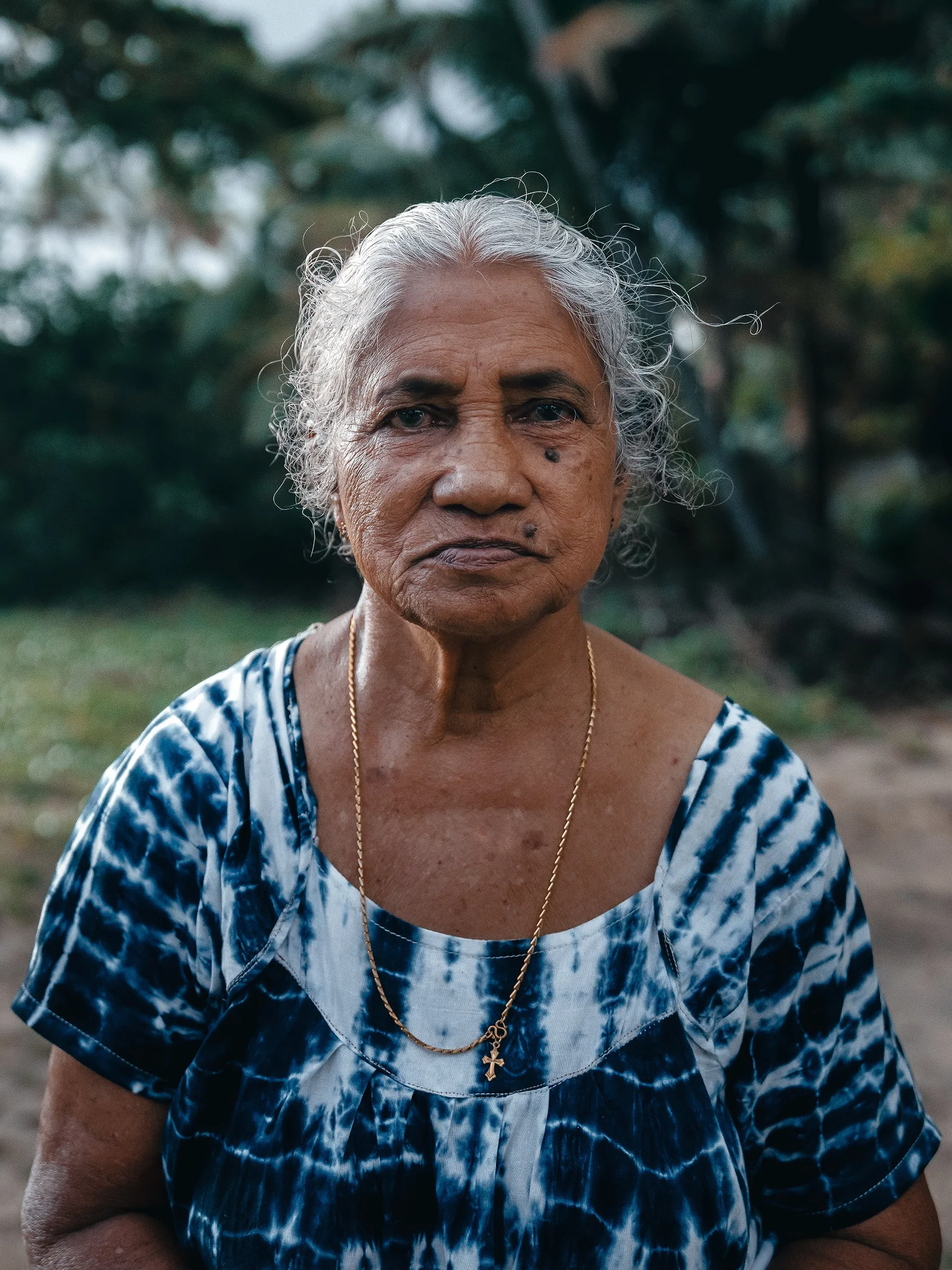
For more than 2,000 days, the fishing community of Chellanam on Kerala's southwest coast has been protesting. Every monsoon, the Arabian Sea enters their homes — flooding lanes, destroying kitchens, collapsing walls built over generations. Among those who stood at the front of that fight for years was Mariyamma George Kurishinkal — a woman who refused to let the sea take what her community had built.
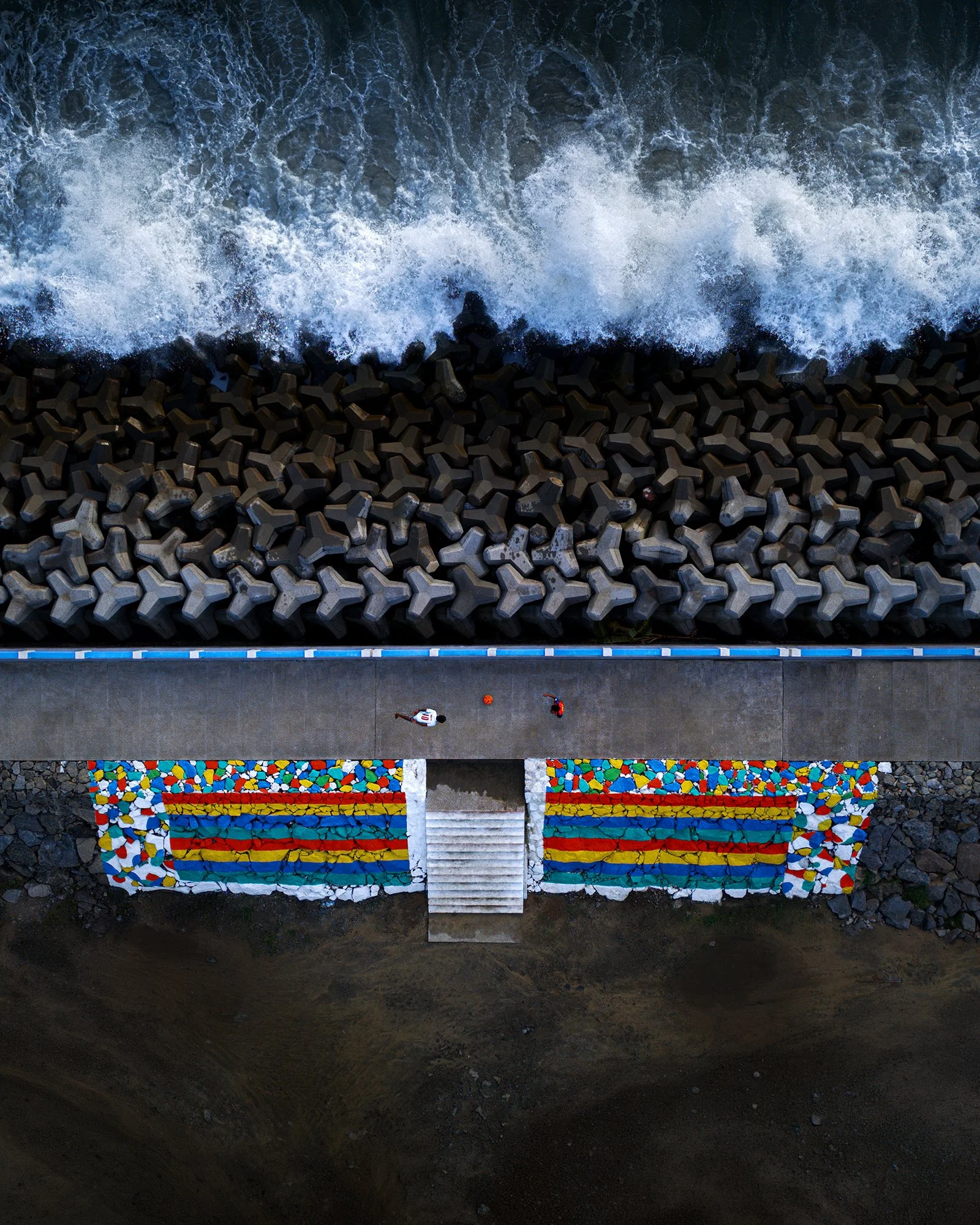
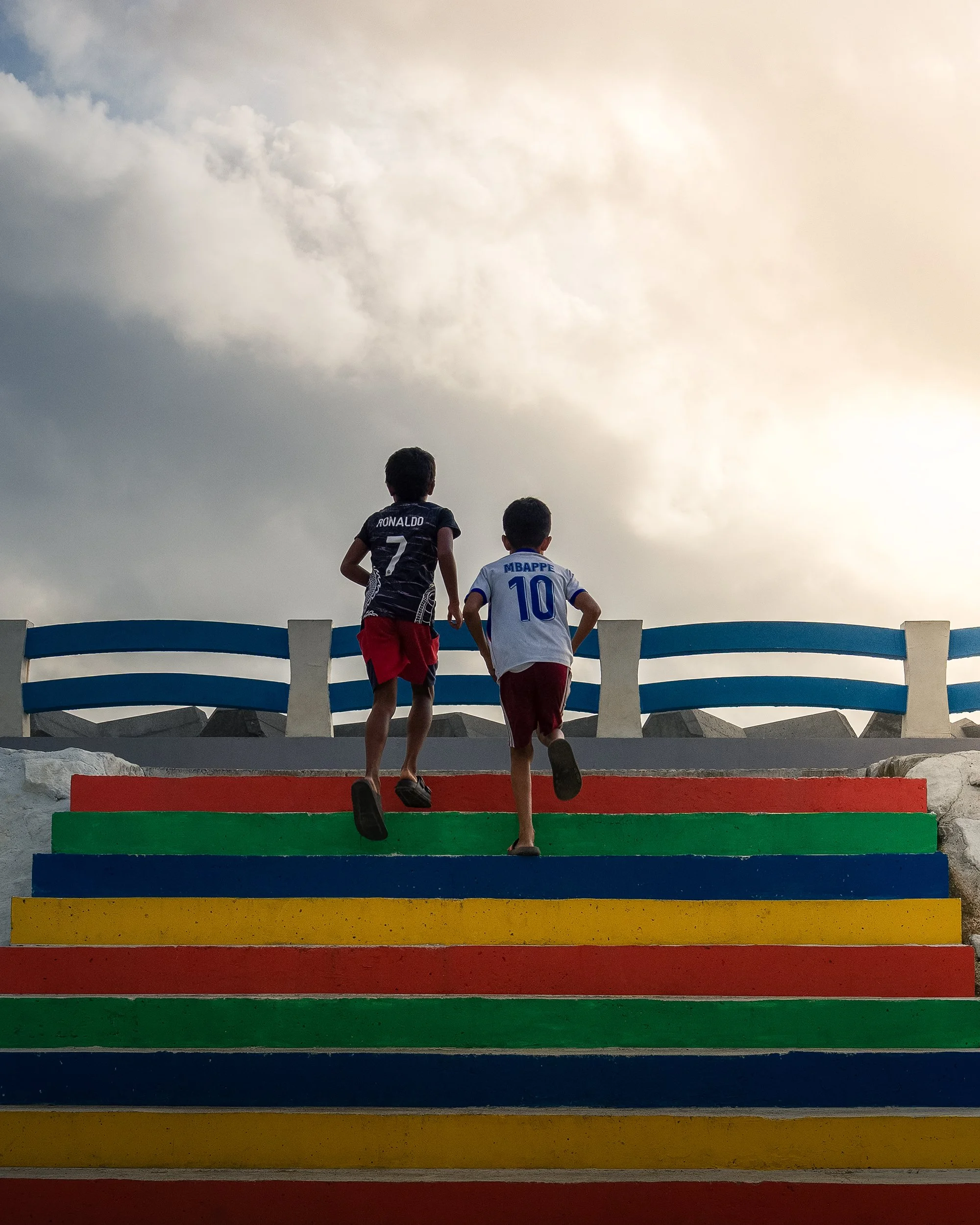
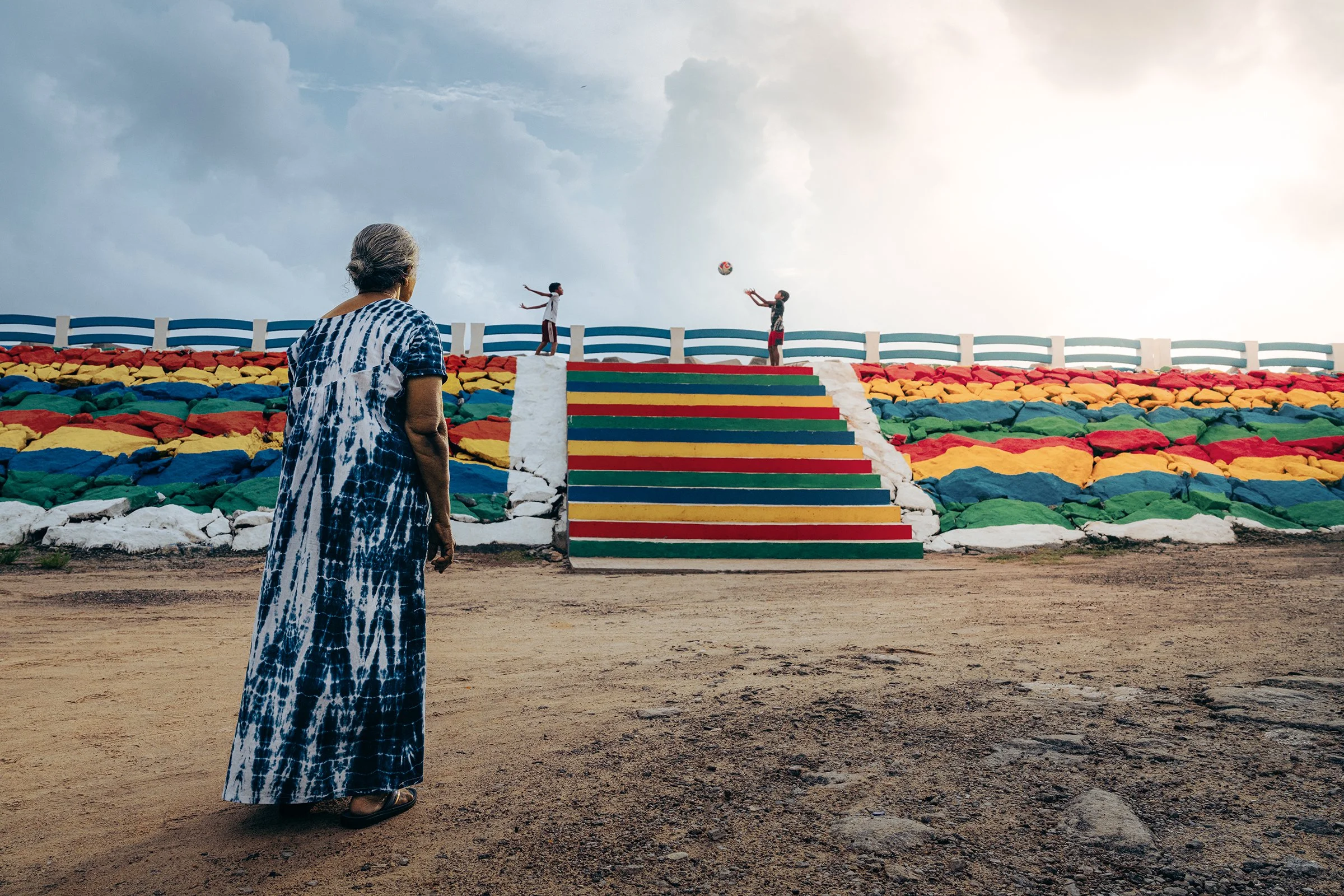
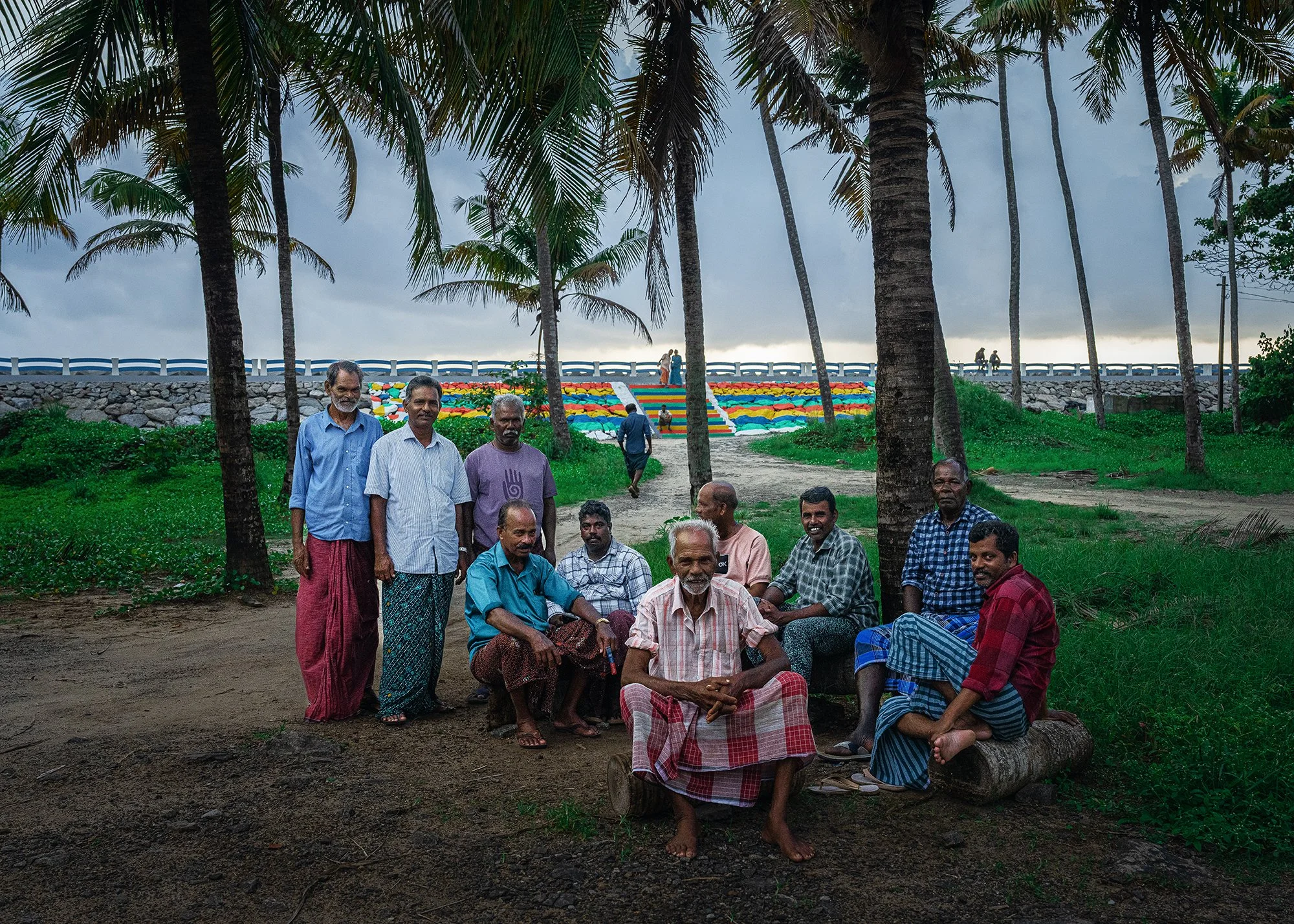
The government eventually responded. A tetrapod seawall was constructed along part of the coastline. The community painted it in colour — an act as defiant and joyful as the protest that preceded it. Children now run up its steps wearing football jerseys. Fishermen gather in its shadow at dusk. And on quiet afternoons, Mariyamma stands at the edge of the open ground, watching children play on top of the wall she spent years fighting to build. The sea is behind it. Held back. For now. For here.
But the wall ends. Around 7 kilometres of coastline has been protected. In Kannamaly, the next village along the same coastal route, the sea still enters every monsoon. In June 2025 alone, more than 15 homes were completely destroyed and over 100 became uninhabitable. The agitation has crossed 2,000 days and shows no sign of ending — because the destruction hasn't ended either.
Chellanam is not an exception. It is a mirror. Along Kerala's 590-kilometre coastline, many fishing villages face the same seasonal devastation — the same flooding, the same displacement, the same years of waiting for a government response. Some are still waiting for their Mariyamma. Others have found her — and are still waiting for their wall.
This series is not a story of victory. It is a story of what becomes possible when a community refuses to disappear — and a reminder of how many communities are still refusing, still fighting, still standing at the edge of a sea that keeps taking.